Carbon Capture Isn’t the Solution to Our Climate Crisis
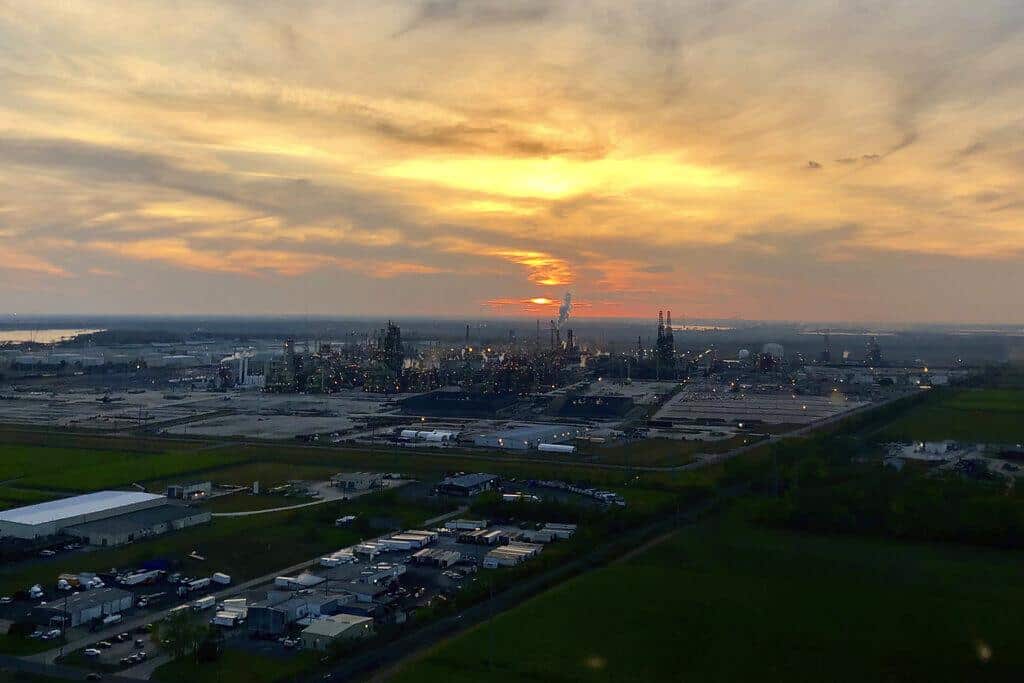
The Marathon Petroleum Refinery in Reserve, La. (AP Photo/Gerald Herbert)
Two new trends gathering momentum pose serious threats to Louisiana’s hopes of preventing the Gulf of Mexico from drowning its bottom third. And, no, they have nothing to do with critical race theory or gender identity.
One comes from local industries that have helped put us in this life-or-death struggle. The other is 7,000 miles away. But they have a symbiotic relationship that spells disaster for our future here.
The local trend is the rising chorus from political and business leaders supporting the petrochemical industry’s drive to make our coastal zone a hub for carbon emissions capture and sequestration, or CCS. They say using carbon capture technology in their refineries will reduce local emissions, helping the state reach its goal of zero emissions.
Yes, climate scientists consider CCS a tool for reducing the greenhouse gas emissions causing climate change. And, yes, the science shows we must reduce emissions by 50% from 2010 levels in the next seven years or the impacts we are already suffering will increase in frequency and severity. Those include larger hurricanes, surging sea levels, unaffordable issuance rates, drought, forest fires and flooding rains, to name a few.
But those same scientists caution that CCS offers only minor help; the only realistic chance we have of reaching critical emissions goals is to radically reduce the use of the products coming from those refineries and plants, such as gasoline in cars and trucks. That’s where the greatest emissions are produced.
This is classic greenwashing. The industry claims it is turning green, but the real goal is to extend the life of the petrochemical industries that helped create the crisis. It doesn’t matter where the emissions occur, they all contribute to global warming. Denying your gasoline refinery is warming the planet because it uses CCS is like a bullet maker claiming it doesn’t cause human suffering because someone else fires the gun.
Any company whose products lead to emissions is giving a helping hand to the rapid acceleration of sea level that Louisiana scientists say will drown much of our existing coast in the decades ahead.
Which brings us to Antarctica, site of the second worrying trend.
Read the rest of the article at The Times-Picayune.