Should the Name of the EPA Be Changed? Here’s One Idea.
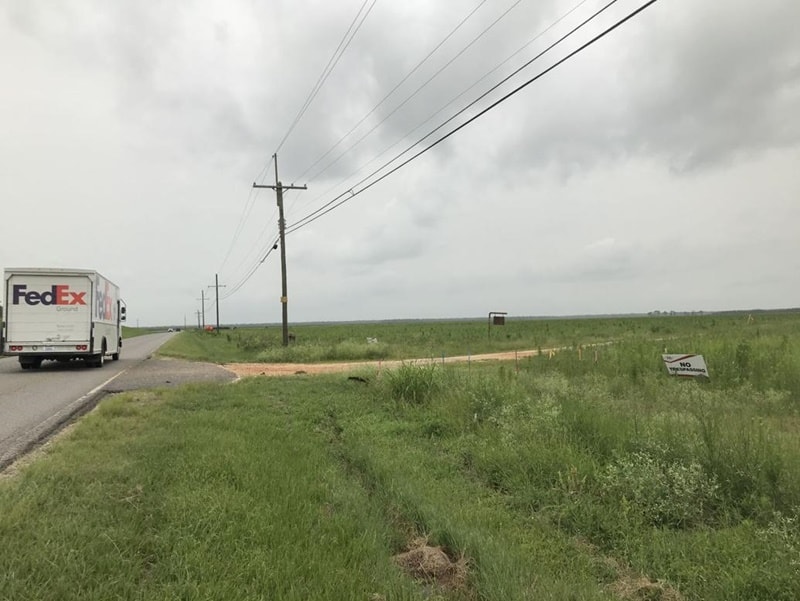
Formosa Plastics has moved gradually toward construction of a $9.4 billion chemical complex in northwestern St. James Parish. (Photo by NOLA.com)
A frustrated employee of the Environmental Protection Agency once asked me this question:
If permits for the legal pollution of cancer-causing agents into the air were granted by a public vote rather than politicians—some of whom work at or even own polluting businesses—would the accumulation of toxic pollution continue to make Louisiana the nation’s leader in health risks from pollution?
The answer was obvious: None of us would vote to allow the poisoning of the air we and our children breathe.
Of course, we both knew that happy result will never happen. And the reasons are parameters outlined in the question.
Let’s take them on at a time, starting with “legal pollution.”
Sound like an oxymoron, right? After all, pollution harms citizens, and lawmakers must protect citizens, not endanger them. So how can something as bad as pollution be legal?
Well, it all comes down to the privileges granted by our governments to corporate health and citizenship over human health and citizenship.
When science began proving pollutants can harm and kill us, our politicians could have demanded polluters find clean, non-polluting systems. But when businesses said it would cost too much money, our lawmakers came up with an alternative: Finding the limits of how much cancer-causing pollution you could be exposed to before increasing your families’ risks of painful injury and death.
They called it “acceptable risk” levels. For many cancer-causing agents that comes to 1 in 10,000—meaning if 10,000 people were exposed to that level 24 hours a day for 70 years one would likely develop cancer.
So corporate citizens are granted permission to put poisons into your lives 24/7, 365—they can pollute legally. (Oh, by the way, human citizens have no such privileges.)
That would seem harmless enough if one plant is releasing just one carcinogen (and you don’t live directly downwind).
But what happens when you get, say, 10 or even 20 plants in the same area with each releasing just one or more pollutants every hour every day?
This brings us to the second important parameter in that question: “cumulative risk.”
Read the rest of the article at The Times-Picayune.