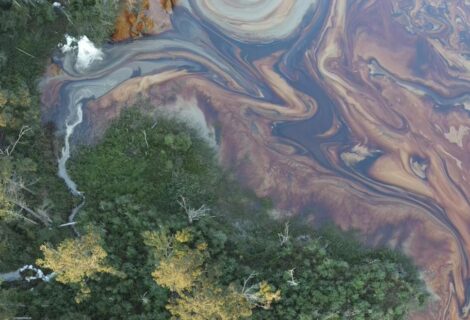
Neptune Pass is restoration-by-nature — if the Army Corps lets it be
When the Army Corps of Engineers announced it had a plan to not just keep Neptune Pass open but help it build more wetlands, reactions from the coastal community reminded me of some famous alternatives for “cautious optimism.”
Show me the money!
Trust but verify!
If it seems too good to be true …!
Given the Corps’ history in such controversies and its legal responsibilities, that caution is warranted. Still, the fact the proposal has even been made is also reason for some optimism.
For decades, what would become known as Neptune Pass was little more than a narrow cut running from the east bank of the Mississippi River opposite Buras into nearby Quarantine Bay. But everything changed in 2019 when the river hit record highs, and the awesome power of its rampaging current became a natural dredge ripping open the soft soils on either side of that cut.
By 2023, what had been a small opening was a yawning 850-foot-wide mouth sucking in as much as 100,000 cubic feet of the river every second — a full 16% of the river’s flow!
As coastal geographer Alex Kolker points out, that flow would make it the 10th largest river in the nation, carrying as much water as is planned for the Myrtle Grove sediment diversion upriver.
So why was the Corps, an active partner in the state´s $50 billion effort to save some of its sinking, crumbling coast, opposed to nature’s gift? After all, environmental enhancement and protection is listed as one of its nine primary missions in this region.
Well, because its first mission — and legal charge — is keeping the commercial shipping lanes open. It spends well over $100 million each year dredging the river´s channel to the mandated 55 feet so that large ships can access ports, which are vital to the state and national economies.
And when the river loses volume, it becomes shallower and slower, making the Corps’ first job more difficult and expensive. So, alarm bells were screaming at the Corps’ offices.
They were also ringing among coastal advocates, but for the opposite reason.
In a very short time, Neptune Pass had proved releasing the river from its prison inside levees is the fastest, easiest and least expensive way to rebuild our sinking coast even as sea levels are rising due to global warming. So, they worried that the Corps, given its first priority, might shut down Neptune Pass completely.
But the Corps’ initial announcement of a possible solution was a pleasant shock for some of those pushing to keep Neptune Pass flowing.
Yes, it significantly reduces the flow into the pass to protect shipping, but it also keeps the opening large enough to continue the land-building going on in Quarantine Bay.
But here’s the real news: The Corps also wants to spend millions building proven sediment trapping devices along the outflow to increase land-building.
“The idea that they are suggesting innovation to build land is really exciting,” Kolker said.
So why the caution in any optimism?
The Corps hasn’t “shown us the money.”
The agency says it is still refining the modeling of how its plan will work. The period for public comment on the plan’s draft environmental assessment was scheduled to end Aug. 31.
“But before we can get excited, we must see the modeling,” Kolker said, “to see how they think this will work.”
In fact, the Corps could go a step further and use the same process it relied on building our post-Katrina levees: Have an outside review board to verify its accuracy.
Then we’ll know if this offer is good enough to be true.