How the Lowly Plastic Straw Is Hastening Louisiana’s Climate-Driven Doom
Restaurant workers in California could face up to six months in jail and face a fine of up to $1,000 for giving customers plastic straws.(NOLA.com | The Times-Picayune)
When trying to explain to nonresidents Louisiana’s cultural and political denialism about the mortal threat climate change poses to our crumbling, sinking coast, my go-to referral has been Arlie Russell Hochschild’s brilliant book “Strangers in their Own Land.”
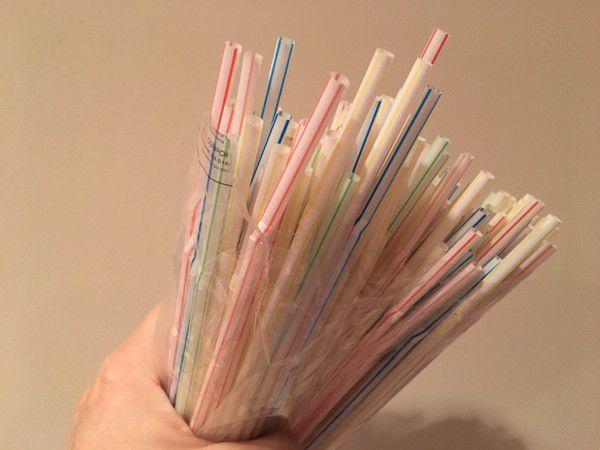
But I have discovered another one: the plastic drinking straw.
Recently my wife, Marie Gould, wrote to our City Council member’s office asking if he would support a regulation banning plastic straws in favor of the old paper models most of us over 50 grew up with. She pointed out that in addition to the long-known pollution problems plastics create, the world has discovered that plastics also add significantly to the greenhouse gas emissions powering soaring heat waves, larger hurricanes and skyrocketing insurance rates.
His response: “What is the cost to restaurants for switching from what they currently use to more eco-friendly options?”
That little exchange highlights one of the motives pushing our state and nation beyond the escape point from the climate disaster already underway.
First, let’s admit we all enjoyed the benefits of plastics for decades. This light, durable, inexpensive material has been used in everything from bottles to cars, computers, smartphones and medical products.
But remember, for decades physicians recommended smoking cigarettes — until they knew they were harmful.
Well, today we know plastics pose serious harm to human health and the environment, literally “from their cradle to their grave.”
Just drilling and extracting the petroleum used to make plastics results in greenhouse gas emissions and landscape degradations. Then their manufacturing processes can spew toxic pollutants into our air and water.
Most plastics are used once but last almost forever. Plastic bottles can take up to 450 years to degrade in landfills and then leave toxic chemicals behind, while plastic bags can take up to 1,000 years to decompose.
And recycling is no solution. In 2022 about 5% of the millions of tons of plastics collected for recycling found another use. In New Orleans, that figure is just 3.5%. The rest are going into landfills, or incinerators.
Microplastics have become so omnipresent they are now found in human organs.
Finally, the production cycle of plastics — from that cradle to the grave — is now expected to cause more greenhouse gas emissions than coal by 2030.
All of which makes the continued use of plastics really bad for Louisiana, because accelerating sea level rise caused by emissions could swallow our bottom third over the next few decades, according to the National Oceanic and Atmospheric Administration.
Read the rest of the article at The Times-Picayune.