Oil and gas industry must pay to fix damage done to Louisiana coast: Opinion | NOLA.com
Imagine this: A goose that lays golden eggs has a deadly disease, yet the farmer who owns it is depending on the nation’s taxpayers to save it. Yes, that’s pretty hard to imagine. Until you consider the oil industry’s refusal to pay a fair share of the $92 billion plan that could save some of Louisiana’s battered sinking coast.
This is the same coast that has pumped billions into the bank accounts of oil and gas companies since the 1930s, but has lost almost 2,000 square miles of the wetlands that once protected many of those assets.
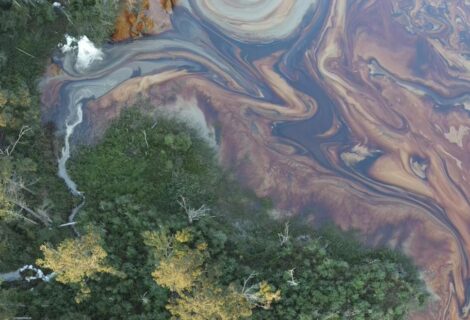
And this is the industry that has been judged to be responsible for 30 to 60 percent of those losses by scores of studies — some of which were conducted by the industry itself.
Yes, the Legislature has once again voted to support the state’s 50-year, do-or-die plan to prevent some of what’s left below U.S. 90 from being swallowed by the rapidly rising Gulf of Mexico. But that was really light lifting by the lawmakers.
Left unaddressed was the heavy work: Unless we find a reliable, permanent funding source in the next decade, most of that plan will never be realized — and most of today’s coast will be under water before 2100.
The Coastal Protection and Restoration Authority says for the plan to achieve its most “optimistic” goals (just keeping coastal land loss below 2,800 square miles by 2065) two things must happen.
The first: The world must achieve the Paris climate goals of reducing greenhouse gas emissions sufficiently to begin slowing sea level rise. President Donald Trump dealt a serious blow to those chances Thursday (June 1) by pulling the U.S. out of the accord. This column has already discussed how Louisiana’s GOP political leaders keep voting to drown on that score. But the business community and world could still block our suicide.
The second: Master plan projects must be completed on a specific timetable. Delays or cancellations due to lack of funding will result in a much smaller coast and much greater and more rapid loss of communities and industrial infrastructure.
The CPRA has estimated it will need to spend about $1.3 billion a year to stay on that schedule. And while the effort will receive an $8 billion windfall over the next 15 yearsas a result of the BP disaster, its recurring income remains only about $220 million a year.
That means Louisiana has about 10 years to come up with a substantial, permanent funding source, or folks from Lake Charles to Houma to Slidell can start planning their moves northward.
So where does one of the nation’s 10 poorest states find that kind of dough? Like any business in need of capital, it can look at the assets it has to borrow against, or sell. All of which brings us to the oil and gas found inside Louisiana’s borders, or pumped across them.
Their value is enhanced by their importance to the rest of the nation. It has been estimated that 20 percent of the nation’s total oil and 13 percent of its natural gas supply comes through the state. Fully 50 percent of the nation’s refining capacity is produced by 19 refineries between Baton Rouge, New Orleans and along the coast to Texas. Five of the nation’s liquid natural gas refineries are already here or are being built here.
Hurricane Katrina showed the impact of that energy coast on the nation’s wallet: When the big storm shut down the coast, the price of gas jumped 46 cents per gallon over a weekend.
Indeed, no industry has more assets at risk to coastal land loss than oil and gas. A recent study by the Rand Corporation made these jarring projections if the master plan is not completed:
–Impacts to the oil and gas industry from land loss over the next 50 years will cost the nation $710-$720 million.
–Disruption to the oil and gas network from each Category 3 storm will cost the nation $2.3 billion to $2.6 billion.
–1,700 miles of pipeline will be exposed.
–Replacement costs for the structures lost would be about $3.5 billion.
Clearly there is a need, a ready asset — and a responsibility on the part of the industry.
Source: Oil and gas industry must pay to fix damage done to Louisiana coast: Opinion | NOLA.com